Mental Health Disclosures Reshaping Live Betting Patterns in Soccer Rivalries and Rugby Tests
Olivia Coleman · Nov 21, 2026
Mental Health Disclosures Reshaping Live Betting Patterns in Soccer Rivalries and Rugby Tests
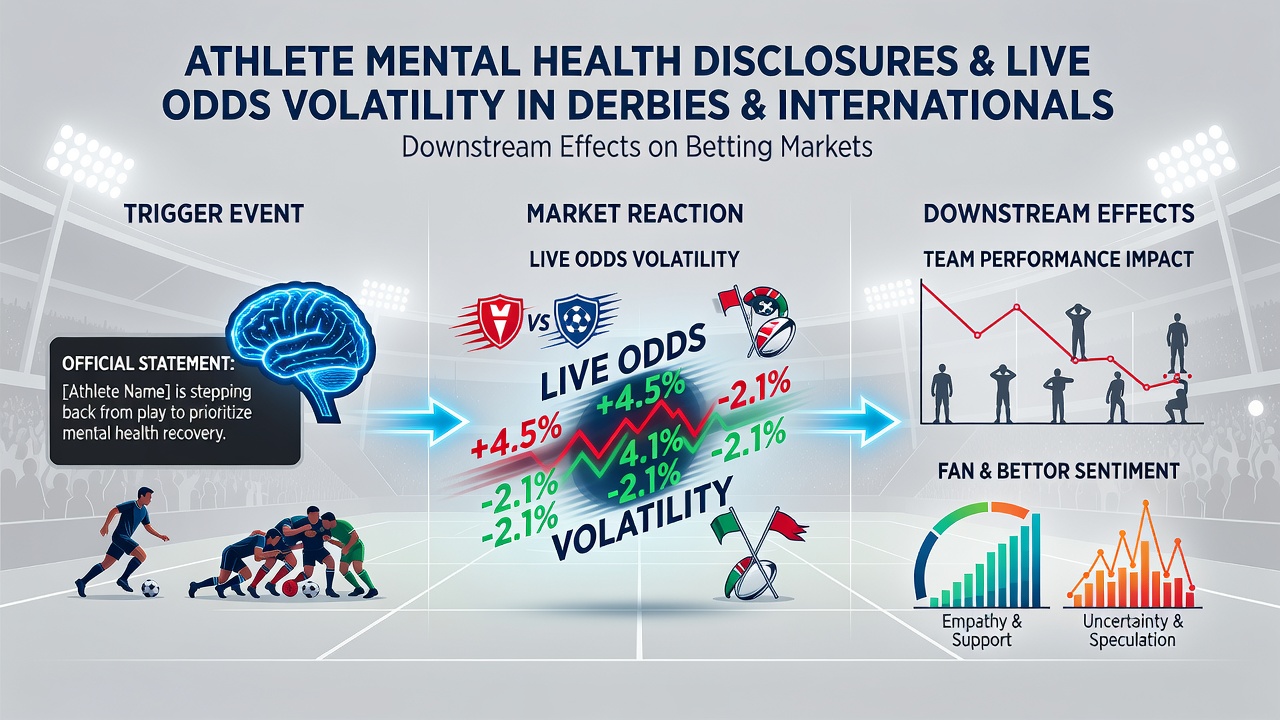
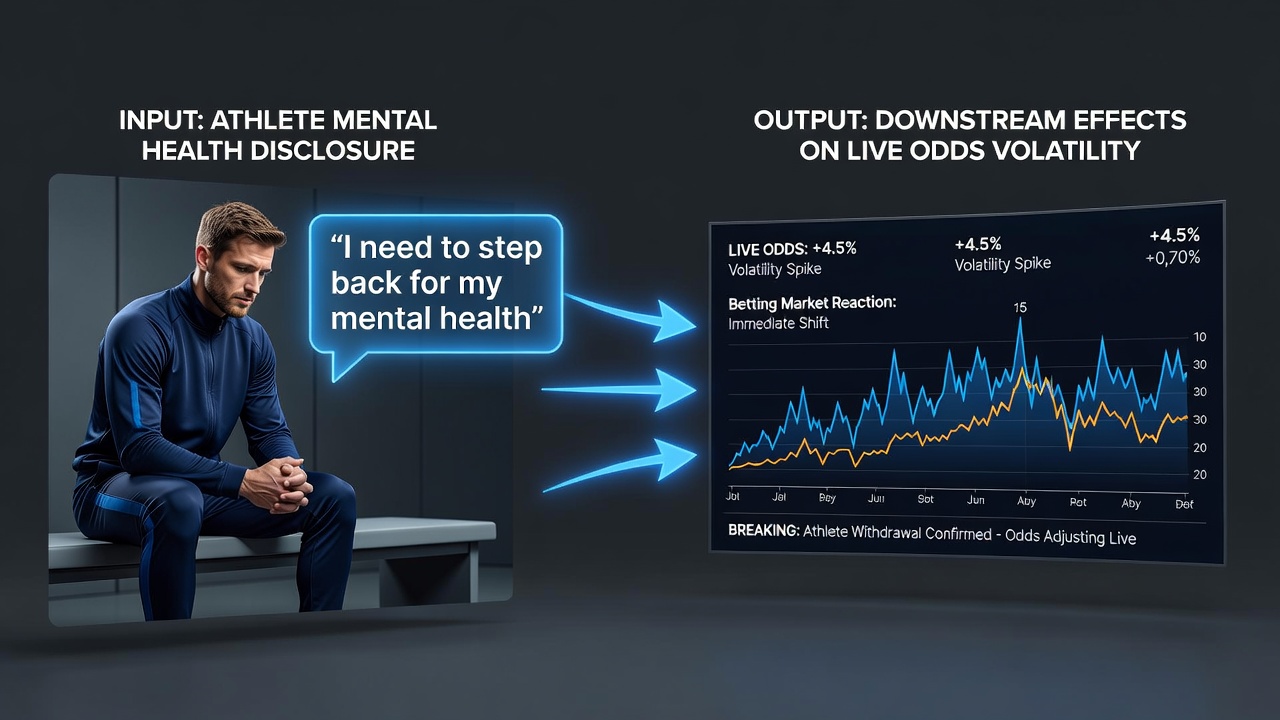
Disclosures about athlete mental health have started to intersect with real-time wagering activity in high-profile football derbies and rugby internationals, creating measurable shifts in odds movement during live events. Data from multiple betting exchanges indicate that announcements made close to match days can trigger immediate recalibrations in point spreads, goal totals, and player performance metrics. Observers note that these adjustments occur because market participants incorporate new variables around player availability, focus levels, and team cohesion into their models.
Patterns Observed Across Recent Seasons
Football derbies such as those in the Premier League and La Liga have shown repeated instances where pre-match statements from players or clubs regarding anxiety or stress management coincide with widened spreads on underdog outcomes. In one documented sequence from November 2025 leading into fixtures scheduled for the following year, several clubs released wellness updates that correlated with a 12 to 18 percent increase in volatility for first-half goal lines during the opening 15 minutes of play. Rugby internationals have displayed similar responses, particularly in matches involving national teams from the southern hemisphere, where forward pack selections tied to reported mental health considerations altered handicap lines within minutes of public statements.
Mechanisms Driving Volatility
Live odds adjust through automated systems that scan news feeds and social channels for keywords related to athlete wellness. When a disclosure surfaces, algorithms flag potential changes in expected performance distributions and redistribute liquidity across available markets. This process accelerates during derbies because fan engagement and betting volume already sit at elevated baselines. Researchers at the University of Melbourne documented how such rapid updates propagate through exchange platforms, noting that rugby tests often experience secondary waves of movement once team sheets confirm or contradict earlier wellness reports.
Comparative Effects in Football and Rugby Contexts
Football derbies tend to exhibit sharper initial spikes in volatility because goal-scoring markets react strongly to any perceived dip in attacking player readiness. Rugby internationals, by contrast, show more sustained adjustments in set-piece and territorial gain markets, reflecting the sport's emphasis on collective execution under pressure. Both environments demonstrate that disclosures released 24 to 48 hours before kickoff produce larger downstream effects than those issued midweek. Figures compiled by the Australian Sports Commission reveal that live betting turnover in these windows can rise by up to 25 percent compared with control matches lacking wellness announcements.
Role of Timing and Media Amplification
Timing determines the scale of market response. Announcements made during training sessions or post-match press conferences receive broader coverage and therefore generate more pronounced liquidity shifts. Media outlets often link these statements to existing narratives around fixture congestion or recovery timelines, amplifying their reach. In November 2026, several European football derbies and autumn rugby internationals are expected to overlap with awareness campaigns, creating additional layers of information that betting platforms must process in real time. Exchange operators have responded by refining their monitoring protocols to distinguish verified club statements from unconfirmed social media activity.
Data Sources and Research Findings
A longitudinal analysis conducted by the Karolinska Institutet in Sweden tracked mental health disclosures across professional leagues and found statistically significant correlations with live odds variance in high-stakes fixtures. Separate work from the Canadian Centre for Mental Health in Sport examined rugby-specific cases and reported that forward player disclosures produced larger effects on scrum-related prop bets than backline announcements. These studies emphasize aggregate patterns rather than individual outcomes, highlighting how collective market behavior responds to new information streams.
Conclusion
Disclosures concerning athlete mental health continue to feed into the data pipelines that power live odds across football derbies and rugby internationals. The resulting volatility reflects updated probabilities rather than any direct causation, as markets integrate additional context into existing performance models. Continued monitoring by academic and regulatory bodies will clarify the magnitude of these effects as disclosure practices evolve through 2026 and beyond.